A guide to recovery
Understand your nervous system
Understanding your nervous system takes away much of its fear.
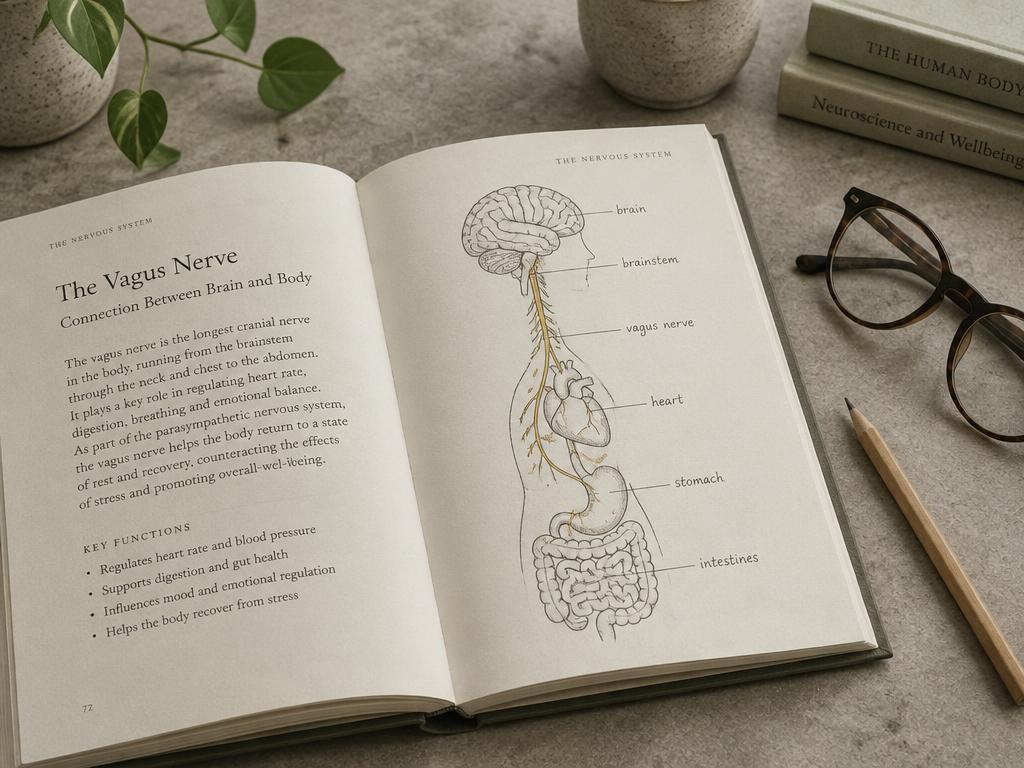
Many people with a dysregulated nervous system are frightened by their own symptoms: a racing heart, numbness, dizziness, exhaustion. Understanding the stress response, the window of tolerance, and how sensitisation works turns alarm into curiosity.
Learning about the nervous system is a foundation of many evidence-based therapies. It's not about memorising theory — it's about giving your thinking brain a map, so it can reassure the rest of you.
Start with a map
What the evidence says
Meta-analyses show that brief psychoeducational interventions alone produce small-to-moderate reductions in depression and psychological distress (Donker et al., 2009). Pain neuroscience education — teaching people how pain and threat processing work — reduces pain, disability and catastrophising in chronic pain (Louw et al., 2016). Psychoeducation is a core component of CBT, trauma-focused therapies and NICE-recommended stepped care.
- Donker, T. et al. (2009). Psychoeducation for depression, anxiety and psychological distress: a meta-analysis. BMC Medicine, 7, 79. Read study ↗
- Louw, A. et al. (2016). The efficacy of pain neuroscience education on musculoskeletal pain: a systematic review. Physiotherapy Theory and Practice, 32(5), 332–355. Read study ↗
Know what you are working with
If a name already fits — anxiety, depression, burnout, PTSD, insomnia, panic — our common conditions guides explain what each one is and which practices have the best evidence for it.