body
Nutrition
Food that protects the liver, feeds the gut, and nourishes the brain.
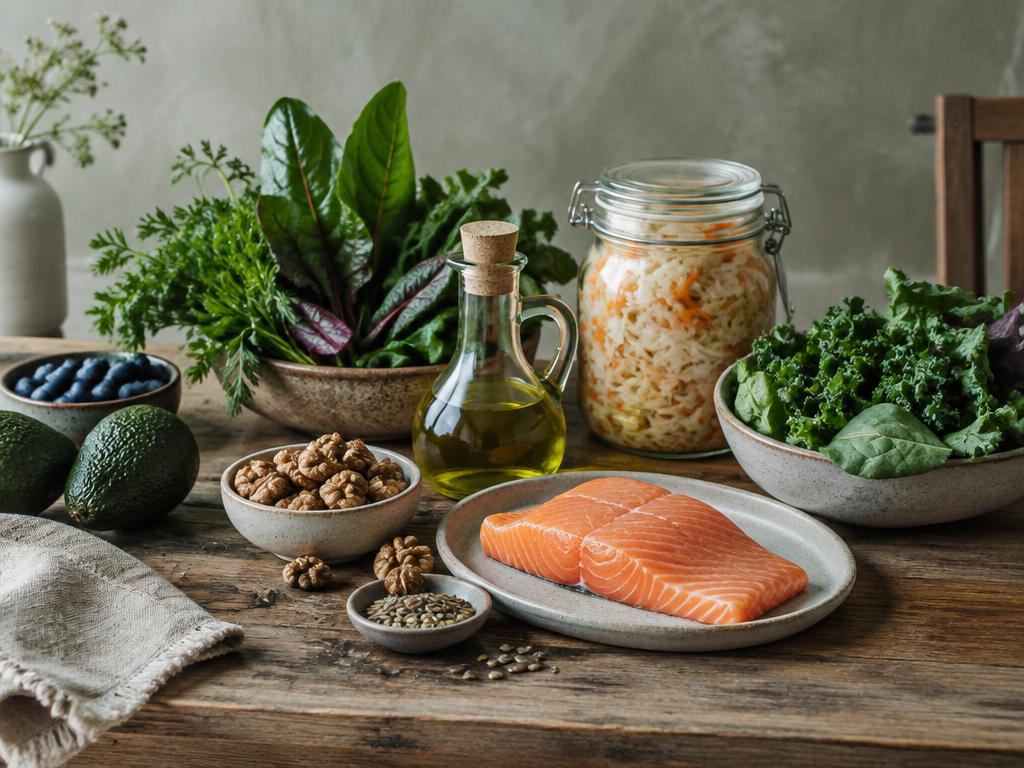
A metabolic approach to nervous system recovery built around three non-negotiables: no poisons for the liver, fibre and fermented foods for the gut, and omega-3s for the brain.
What we eat either adds to allostatic load or lowers it. Added sugars — especially fructose — drive hepatic insulin resistance, mitochondrial stress, and inflammation, all of which amplify anxiety, fatigue, and mood instability. Removing them is a nervous-system intervention, not just a weight-loss strategy.
We follow Robert Lustig's metabolic framing: protect the liver (cut added sugar and alcohol), feed the gut (fibre, fermented foods, diverse plants), and nourish the brain (omega-3s, polyphenols, adequate protein). Anti-inflammatory, mitochondrial-supportive eating is the thread that ties the programme together.
The gut–brain axis is real: the vagus nerve carries more signals upward (gut to brain) than downward. A diverse microbiome and stable blood sugar create the biological conditions for calm.
What the evidence says
Strong evidenceThe SMILES trial (2017) showed a Mediterranean dietary pattern produced clinically significant reductions in depression. Lustig's controlled study of isocaloric fructose restriction in children with metabolic syndrome found dramatic improvements in hepatic insulin resistance and cardiometabolic markers within nine days. Omega-3 supplementation — particularly EPA — shows consistent anti-inflammatory and antidepressant effects in meta-analyses, while fibre and fermented foods increase microbiome diversity and reduce inflammatory markers.
References
- [1]Jacka, F. N. et al. (2017). A randomised controlled trial of dietary improvement for adults with major depression (the 'SMILES' trial). BMC Medicine, 15, 23. Link ↗
- [2]Lustig, R. H. et al. (2015). Isocaloric fructose restriction and metabolic improvement in children with obesity and metabolic syndrome. Obesity, 24(2), 453–460. Link ↗
- [3]Lustig, R. H. (2021). Metabolical: The Lure and the Lies of Processed Food, Nutrition, and Modern Medicine. Harper Wave. Link ↗
- [4]Grosso, G. et al. (2016). Role of omega-3 fatty acids in the treatment of depressive disorders: A comprehensive update. International Journal of Molecular Sciences, 17(12), 2047. Link ↗
- [5]Firth, J. et al. (2019). The effects of dietary improvement on symptoms of depression and anxiety: A meta-analysis of randomized controlled trials. Psychosomatic Medicine, 81(3), 265–280. Link ↗
- [6]Marco, M. L. et al. (2017). Fermented foods: Patented approaches and microorganisms for commercial applications and nutritional benefits. Current Opinion in Biotechnology, 44, 58–65. Link ↗
Guided care_links
Exercises
Practical, paced ways into nutrition. Start with whichever one feels least effortful — capacity returns through small, repeated doses, not heroic ones.
- 01
15–20 minutes, daily
Protein-Anchored Breakfast
Why it works · A morning meal containing 25–35 g of protein blunts the post-breakfast blood-glucose rise, prolongs satiety signals through GLP-1 and peptide YY, and supports neurotransmitter synthesis — particularly dopamine and serotonin — which require amino acid precursors.
Loading…
- 02
Each main meal, ongoing
Blood-Sugar Steadying: Fibre, Fat, Protein First
Why it works · The order in which macronutrients are consumed affects postprandial glucose response; eating fibre and protein before refined carbohydrates substantially flattens the glucose peak, reducing energy crashes and irritability associated with rapid glucose fluctuation.
Loading…
- 03
5 minutes, every morning
Hydration on Waking
Why it works · After seven to nine hours without fluid, mild dehydration — even at 1–2% of body weight — measurably impairs cognitive performance, mood, and energy; rehydrating before caffeine intake prevents compounding of the dehydration-related cortisol spike that accompanies morning waking.
Loading…
- 04
2–4 weeks to reset, then ongoing
Added Sugar Quitting — Protect the Liver
Why it works · Added sugars — particularly fructose — overwhelm hepatic metabolism, drive insulin resistance, deplete mitochondrial function, and promote systemic inflammation. Lustig's research shows that isocaloric fructose restriction rapidly improves metabolic markers even without weight change, suggesting the nervous system benefits begin at the liver.
Loading…
Take care
- If you have diabetes, are on insulin or sulfonylureas, or have a history of disordered eating, speak with a clinician before making rapid sugar changes.
- Do not replace sugar with artificial sweeteners in large quantities; some non-nutritive sweeteners still perturb glucose tolerance and gut bacteria in susceptible people.
- 05
Most main meals, ongoing
Mediterranean-Pattern Plate
Why it works · The Mediterranean dietary pattern is the most consistently supported dietary approach for reducing depression risk and supporting cognitive function across large observational and a growing number of intervention studies; it is characterised by abundance and diversity rather than restriction.
Loading…
- 06
Ongoing, tracked weekly
Polyphenol Diversity — 30 Plants Per Week
Why it works · Gut microbiome diversity is strongly associated with mental and physical health; the single most important dietary driver of microbiome diversity is diversity of plant intake, with 30 different plant types per week associated with markedly richer microbial communities in large-scale research.
Loading…
Take care
- A sudden significant increase in plant fibre can cause temporary bloating and gas. Increase variety gradually, and ensure adequate hydration.
- 07
Most main meals, ongoing
Anti-Inflammatory Mitochondrial Plate
Why it works · Mitochondria produce ATP and regulate cellular stress responses; mitochondrial dysfunction is increasingly implicated in chronic fatigue, depression, and pain syndromes. An anti-inflammatory plate rich in polyphenols, fibre, and omega-3s supports mitochondrial biogenesis and reduces inflammatory cytokines that sensitize the nervous system.
Loading…
- 08
Daily, through food or targeted supplementation
Omega-3 Brain Nourishment
Why it works · Omega-3 fatty acids — especially EPA and DHA — are structural components of neuronal membranes and precursors to anti-inflammatory resolvins. Meta-analyses show omega-3 supplementation reduces depression symptoms, with effects comparable to some antidepressants at higher EPA doses, and supports cognitive resilience.
Loading…
Take care
- Consult a clinician before high-dose omega-3 supplementation if you take blood thinners, have a bleeding disorder, or are scheduled for surgery.
- Choose third-party tested oils to avoid heavy-metal contamination and oxidation.
- 09
Daily, as part of meals
Supporting the Gut with Fermented Foods
Why it works · Regular consumption of fermented foods — yoghurt, kefir, sauerkraut, kimchi, miso, kombucha — increases microbiome diversity and reduces inflammatory marker levels; the gut–brain axis means that a healthier gut ecology is directly associated with improved mood regulation.
Loading…
Take care
- Commercially produced fermented drinks such as kombucha vary widely in sugar content and live culture count. Plain, unflavoured varieties are preferable.
- Those on immunosuppressant medication should consult a doctor before significantly increasing live-culture intake.


