body
Manual Therapy
Hands that listen.
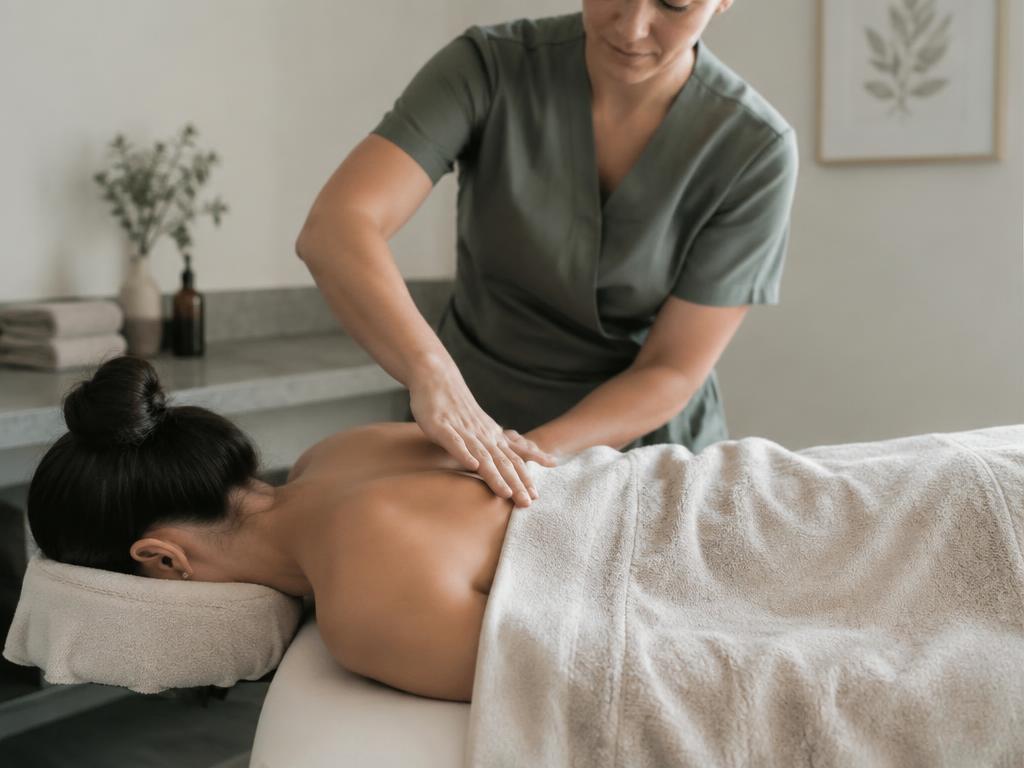
Craniosacral, osteopathy, and bodywork that meet the body without force.
Massage and skilled manual therapy have well-documented effects on anxiety, pain, and HRV. Evidence is strongest for therapeutic massage and osteopathic manipulative treatment.
Craniosacral therapy has a smaller, more contested evidence base; we offer it with that caveat.
What the evidence says
Emerging evidenceMeta-analyses show massage therapy produces clinically meaningful reductions in anxiety and pain, with autonomic shifts toward parasympathetic dominance. Osteopathic manipulative treatment shows benefit for low back pain in Cochrane review. Craniosacral therapy has limited but growing trial-level support for chronic pain.
References
- [1]Moyer, C. A. et al. (2004). A meta-analysis of massage therapy research. Psychological Bulletin, 130(1), 3–18. Link ↗
- [2]Haller, H. et al. (2020). Craniosacral therapy for chronic pain: a systematic review and meta-analysis of randomized controlled trials. BMC Musculoskeletal Disorders, 21, 1. Link ↗
Guided care_links
Exercises
Practical, paced ways into manual therapy. Start with whichever one feels least effortful — capacity returns through small, repeated doses, not heroic ones.
- 01
One-off research task, 30–60 minutes
Finding a Qualified Practitioner
Why it works · Manual therapies — osteopathy, physiotherapy, remedial massage — carry meaningful benefit for musculoskeletal pain and nervous system regulation when delivered by a properly trained and registered practitioner. Knowing how to verify credentials reduces the risk of harm and wasted expenditure.
Loading…
Take care
- No manual therapy should cause significant pain. If a practitioner tells you 'no pain, no gain', that is a caution sign.
- Osteopathic and chiropractic manipulation of the cervical spine carries a small but real risk; discuss this with your practitioner if neck treatment is proposed.
- 02
3–5 minutes
Tennis Ball Sub-Occipital Release
Why it works · The sub-occipital muscles at the base of the skull carry significant chronic tension in people who spend time at screens or in states of vigilance. Gentle sustained pressure into these muscles using bodyweight can encourage a myofascial release response over one to two minutes.
Loading…
Take care
- Do not use this technique if you have any instability, recent injury, or surgical hardware in your cervical spine.
- If you feel shooting pain, tingling, or dizziness, remove the balls immediately and seek professional assessment.
- 03
2–3 minutes per foot
Tennis Ball Plantar Fascia Roll
Why it works · Rolling the sole of the foot over a firm ball applies moderate pressure to the plantar fascia, which can temporarily reduce tension and improve local circulation. Many people carry significant habitual tension through the feet, which connects upward through the posterior chain.
Loading…
Take care
- Avoid this practice if you have acute plantar fasciitis, a stress fracture, or any open wound on the foot. Check with a podiatrist or physiotherapist if pain is significant.
- 04
5–8 minutes
Foam-Rolling the Thoracic Spine
Why it works · The thoracic spine is commonly stiffened by prolonged sitting and chronic stress postures — rounded shoulders, a collapsed chest. Gentle extension over a foam roller can temporarily increase mobility in this region, reduce the muscular effort required to hold yourself upright, and create space for fuller breathing.
Loading…
Take care
- Keep the roller to the mid and upper back only — avoid rolling on the lumbar spine.
- If you have osteoporosis, disc issues, or recent spinal surgery, consult your physiotherapist before attempting this.
- 05
3–5 minutes
Jaw Release
Why it works · The jaw is a primary site of habitual tension — clenching in response to stress is extremely common, often unconscious, and contributes to headaches, neck pain, and a general sense of bracing. Gentle manual work on the masseter muscles can interrupt this holding pattern.
Loading…
Take care
- If you have diagnosed TMJ disorder, seek guidance from a dentist or physiotherapist who specialises in this area before attempting self-treatment.
- 06
3–5 minutes
Diaphragm Release
Why it works · The diaphragm can hold chronic tension — particularly in people who breathe shallowly under stress or have experienced trauma held in the torso. Gentle manual contact just below the ribcage, combined with slow breathing, can encourage the diaphragm to move more fully.
Loading…
Take care
- This is a gentle exploratory practice. If contact with the abdomen is distressing or physically painful, stop. Abdominal pain of unknown origin should be assessed medically.
- 07
3–5 minutes
Scalp Massage
Why it works · The scalp contains a dense network of nerve endings and is continuous with the fascia of the face and neck. Slow, deliberate scalp massage can activate the parasympathetic response, reduce surface tension in the galea aponeurotica, and provide a simple moment of self-directed care.
Loading…
Take care
- Avoid over areas of any skin condition, healing wound, or recent surgery.
- 08
10 minutes, one-off
Preparing Questions for a First Manual-Therapy Session
Why it works · Arriving at a first appointment with prepared questions significantly improves communication with a practitioner, ensures the treatment is appropriate for your circumstances, and gives you a clearer sense of what to expect — which itself reduces anticipatory anxiety.
Loading…
Take care
- If at any point during a session you feel uncomfortable — physically or otherwise — you have the right to ask the practitioner to stop. This applies without exception.


