mind
Social Media & Information Hygiene
What you scroll, your nervous system absorbs.
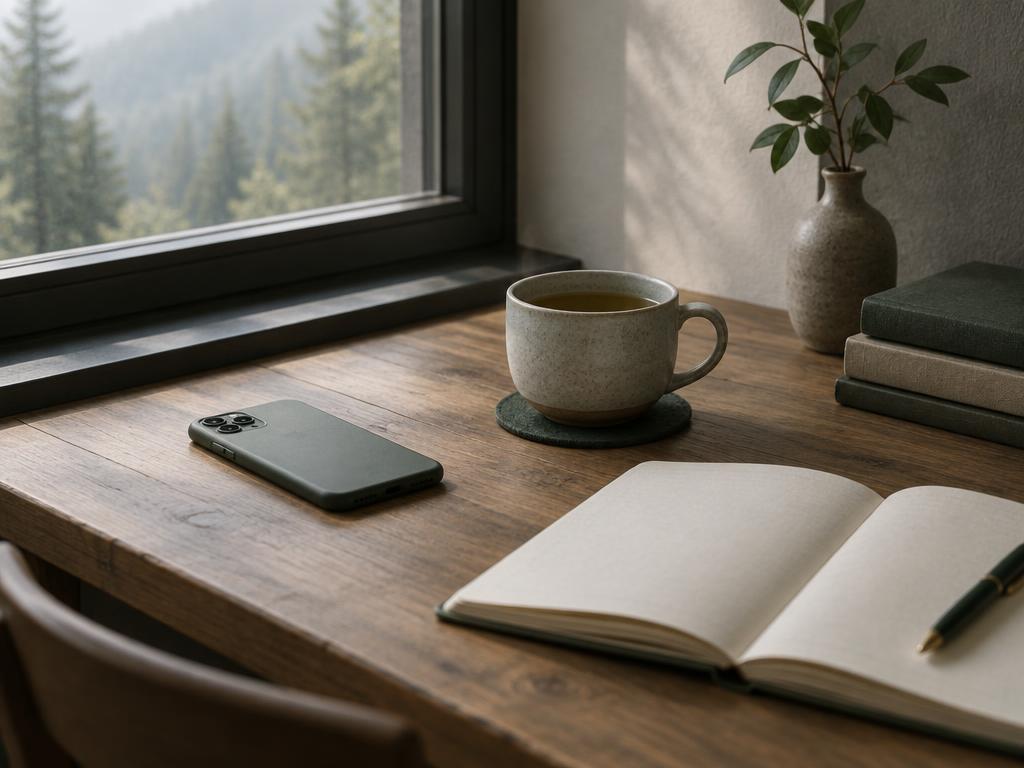
Feeds, notifications, and doomscrolling keep the alarm system quietly engaged. Curating your inputs is the information diet.
A dysregulated nervous system is exquisitely sensitive to threat cues — and the modern feed is an endless stream of them: outrage, comparison, breaking news, urgency by design. Each notification is a micro-interruption; each scroll a small hit of unpredictability that keeps the system in low-grade vigilance.
Information hygiene treats attention like nutrition: protect the morning, remove the added sugar (outrage bait, infinite scroll), and choose whole foods — long-form, purposeful, real connection. The goal isn't digital abstinence; it's making devices serve your regulation instead of harvesting it.
What the evidence says
Emerging evidenceExperimental and correlational studies link heavy social media use — especially passive scrolling — to higher anxiety, depression, and loneliness, with the strongest effects in adolescents. Limiting social media to ~30 minutes/day reduced loneliness and depression in a randomized trial; notification interruption measurably increases stress and inattention. Mechanisms include social comparison, sleep displacement, and threat-salient content keeping the amygdala engaged.
References
- [1]Hunt, M. G. et al. (2018). No more FOMO: Limiting social media decreases loneliness and depression. Journal of Social and Clinical Psychology, 37(10), 751–768. Link ↗
- [2]Orben, A. & Przybylski, A. K. (2019). The association between adolescent well-being and digital technology use. Nature Human Behaviour, 3, 173–182. Link ↗
- [3]Kushlev, K. & Dunn, E. W. (2015). Checking email less frequently reduces stress. Computers in Human Behavior, 43, 220–228. Link ↗
Guided care_links
Exercises
Practical, paced ways into social media & information hygiene. Start with whichever one feels least effortful — capacity returns through small, repeated doses, not heroic ones.
- 01
Daily, ongoing
The Phone-Free First Hour
Why it works · Morning light and low stimulation set the day's autonomic tone; checking a phone first thing hands your attention — and cortisol curve — to an algorithm before your system has oriented.
Loading…
- 02
20 minutes, once a month
Feed Audit
Why it works · What you follow shapes your baseline arousal. Curating inputs is the information-diet equivalent of removing added sugar — less inflammatory content, less chronic alarm.
Loading…
- 03
15 minutes to set up, then ongoing
Notification Fast
Why it works · Every notification is a micro-interruption that re-engages the orienting response. Studies link notification frequency to inattention, stress, and lower productivity.
Loading…
- 04
One week
The Greyscale Experiment
Why it works · Colour is a reward signal. Switching the screen to greyscale measurably reduces compulsive checking and daily screen time in experimental studies.
Loading…
- 05
10–20 minutes, once or twice daily
News Windows
Why it works · Doomscrolling keeps the threat-detection system switched on. Time-boxing news consumption reduces anxiety without leaving you uninformed.
Loading…
Take care
- If following the news is part of your job, apply the windows to non-work consumption.
- 06
60 minutes before bed, nightly
Digital Sunset
Why it works · Evening screen light and stimulating content delay melatonin and keep the system in low-grade vigilance — the opposite of what sleep needs.
Loading…
- 07
Practice during any screen session
One-Thing-at-a-Time Browsing
Why it works · Rapid task-switching between tabs and apps keeps attention fragmented and the stress response mildly engaged. Single-tasking restores a sense of completion and calm.
Loading…
- 08
Half a day, weekly
Weekly Offline Block
Why it works · Extended offline periods let the nervous system experience uninterrupted presence — the state every other practice on this site is trying to build.
Loading…


