expression
Creative Expression
Letting what is inside, out.
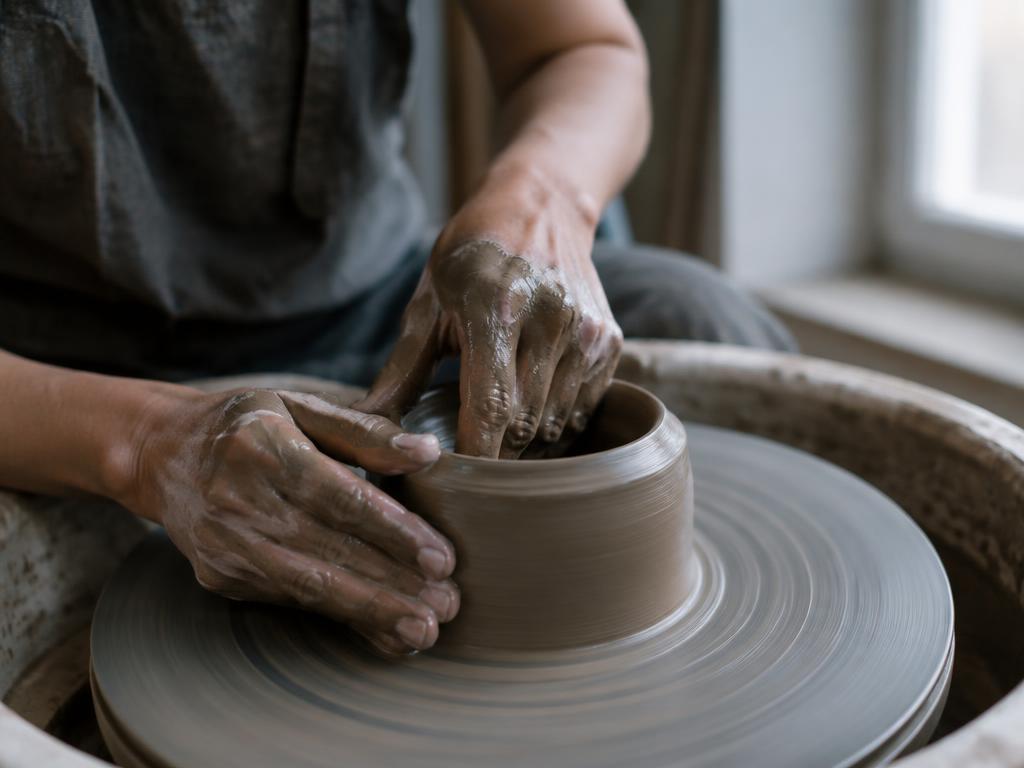
Making something — anything — as a way of moving stuck energy.
You don't have to be an artist. A short bout of art-making lowers cortisol regardless of prior experience or skill.
Mark-making, singing, writing badly, dancing in the kitchen — all of it gives the system somewhere for its charge to go.
What the evidence says
Emerging evidenceA 2016 study found 45 minutes of unguided art-making produced significant reductions in salivary cortisol in 75% of participants. Systematic reviews from the WHO conclude that arts engagement has measurable benefits for mental health, chronic pain, and dementia care.
References
- [1]Kaimal, G. et al. (2016). Reduction of cortisol levels and participants' responses following art making. Art Therapy, 33(2), 74–80. Link ↗
- [2]Fancourt, D. & Finn, S. (2019). What is the evidence on the role of the arts in improving health and well-being? A scoping review. WHO Regional Office for Europe, Health Evidence Network Synthesis Report 67. Link ↗
Guided care_links
Exercises
Practical, paced ways into creative expression. Start with whichever one feels least effortful — capacity returns through small, repeated doses, not heroic ones.
- 01
20–30 minutes each morning
Morning Pages
Why it works · Julia Cameron's morning pages practice — three longhand pages written immediately on waking, before the critical mind fully engages — functions as a daily mental clearing. The lack of an audience or purpose reduces self-censorship and can surface material that more deliberate writing would edit out.
Loading…
Take care
- Morning pages can occasionally surface difficult material. If you find yourself distressed after a session, take a short walk or do something grounding before continuing with your day.
- 02
15–20 minutes per day for four consecutive days
Pennebaker Expressive Writing
Why it works · James Pennebaker's careLink has been studied for decades and shows modest, consistent benefits for psychological and physical wellbeing in non-clinical populations. Writing about the thoughts and feelings surrounding a difficult experience — not just the facts — appears to help organise and integrate the memory.
Loading…
Take care
- This careLink can temporarily increase distress, particularly in the hours after writing. Pennebaker advises not doing this practice in the middle of an acute crisis or active trauma. If you feel significantly worse after two sessions, stop and consider speaking with a therapist.
- Not suitable for currently traumatic situations — the research was conducted with events that had already passed.
- 03
1–2 minutes each evening
One-Line-a-Day Journal
Why it works · A single-line daily entry sustains the habit of reflection with minimal friction. Over months, it creates a quiet record of life — shifts in mood, recurring themes, small moments that would otherwise dissolve — without demanding the energy of longer journalling.
Loading…
Take care
- Resist the pressure to make entries meaningful or 'worth' preserving. Ordinariness is part of the point.
- 04
20–40 minutes, once or twice a week
Art as Process
Why it works · Process-oriented artmaking — creating without the goal of a finished product — reduces the evaluative pressure that stops many adults engaging creatively at all. When the process is the point, the nervous system can settle into flow rather than performance.
Loading…
Take care
- If you have a strong perfectionist response, working on inexpensive paper or using media you can paint over may reduce the stakes usefully.
- 05
5–10 minutes, daily if possible
Singing or Humming for Vagal Tone
Why it works · The vagus nerve innervates the larynx and pharynx, and the act of humming, singing, or chanting creates vibration that may gently stimulate vagal activity, contributing to the calming of the autonomic nervous system. The effect is modest but consistent with broader research on resonance frequency breathing and sound.
Loading…
Take care
- If you have significant voice problems or recent throat surgery, check with your GP before doing prolonged vocal work.
- 06
5–15 minutes
Dance with Eyes Closed
Why it works · Moving the body freely, without the self-monitoring that visibility tends to trigger, can interrupt the cycle of performance anxiety that many adults feel around dance. Eyes-closed movement encourages proprioceptive attention — noticing sensation from inside rather than managing appearance from outside.
Loading…
Take care
- Keep the space fully clear of hazards before closing your eyes.
- If you become dizzy, open your eyes and sit down.
- 07
15–20 minutes
Found Poetry from a Book
Why it works · Found poetry — selecting and arranging existing words rather than generating new ones — removes the blank-page anxiety of writing from scratch while still requiring genuine creative attention and personal selection. The constraint becomes generative.
Loading…
Take care
- There are no rules about what counts as a good found poem. Resist comparing the result to published work.
- 08
20–40 minutes
Photography Walk Noticing Colour
Why it works · Deliberately attending to a single perceptual quality — colour, in this case — narrows and focuses attention in a way that quiets the default mode network's tendency to ruminate. Photography gives the walk a gentle purpose without making it a task.
Loading…
Take care
- Keep enough peripheral awareness to stay safe on roads and pavements.


